
Benefits, risks, and scientifically based recommendations for watching cartoons and listening to special music
Digital technologies in child development
It is impossible to imagine modern childhood without digital technologies. Tablets, smartphones, interactive panels and educational applications have become part of the everyday environment for development. For children with disabilities, gadgets serve a much broader function than just entertainment. They can be a tool for communication, a means of learning, an element of rehabilitation programmes, a way of sensory regulation and a support for socialisation.

At the same time, the effectiveness of digital technologies directly depends on their conscious, measured and pedagogically competent use.
Recent studies confirm that digital devices can play an important role in the development of children with speech, cognitive, sensory and complex disorders. They are especially valuable for children with autism spectrum disorders, intellectual disabilities, cerebral palsy, genetic syndromes and severe speech impairments.
Supporting communication, cognitive development and sensory regulation
One of the key areas of gadget use is supporting communication and speech development. Digital solutions in the field of alternative and augmentative communication (AAC) allow children to express their needs, emotions and thoughts even in the absence of spoken language. The use of tablets with pictogram systems, speech synthesizers, and visual communicators increases initiative in communication, reduces frustration, and promotes the formation of expressive speech. According to research by Lorah et al. (2015), the use of tablet-based AAC technologies is an effective tool for developing functional communication in children with autism.
Digital technologies can also have a positive impact on cognitive development. Interactive educational programmes help train attention, memory, logical thinking and executive functions. Importantly, active interaction with content has significantly greater developmental potential than passive video viewing. A review of scientific works by Linebarger and Vaala emphasises that interactive digital environments can support early learning, provided that the content is appropriate for the child’s age and cognitive abilities.
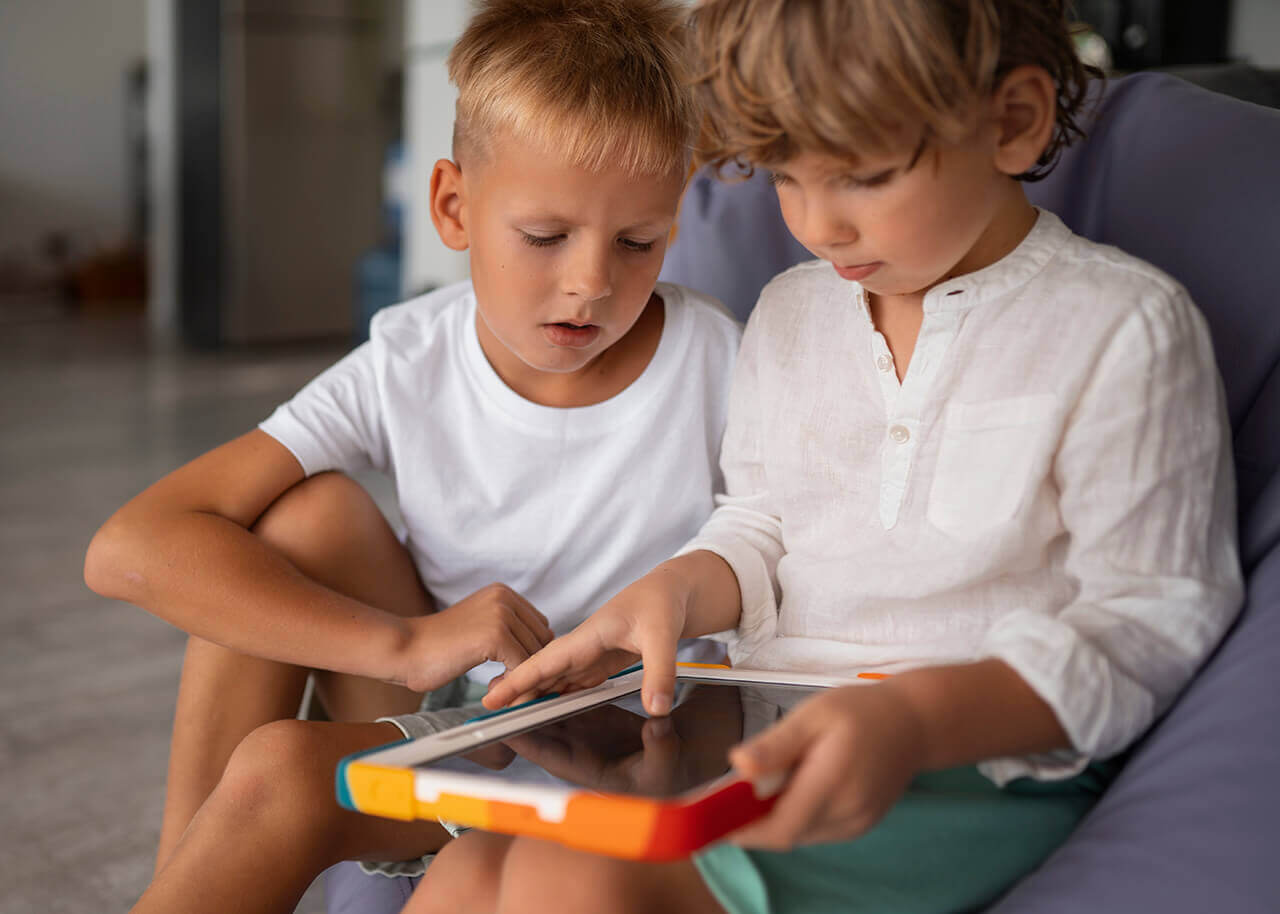
Digital devices are particularly important in sensory regulation. Predictable audio and visual stimuli can reduce anxiety, help the child self-soothe, and develop a sense of control over the environment. This is especially relevant for children with autism, attention deficit hyperactivity disorder, and sensory disorders. Research by Mazurek and Engelhardt shows that structured use of digital content can have a regulatory effect when integrated into a child’s overall support system.
Potential risks of excessive screen time
At the same time, excessive or uncontrolled use of gadgets carries risks. Scientific data show a link between excessive screen time at an early age and negative effects on speech and cognitive development, reduced social interaction, difficulties with self-regulation, and sleep disorders. A meta-analysis by Madigan et al. (2019) showed that longer screen time is associated with lower speech and cognitive functioning scores. Leading international organisations, including the American Academy of Pediatrics and the World Health Organization, emphasise the need for clear regulation of digital exposure according to the child’s age.
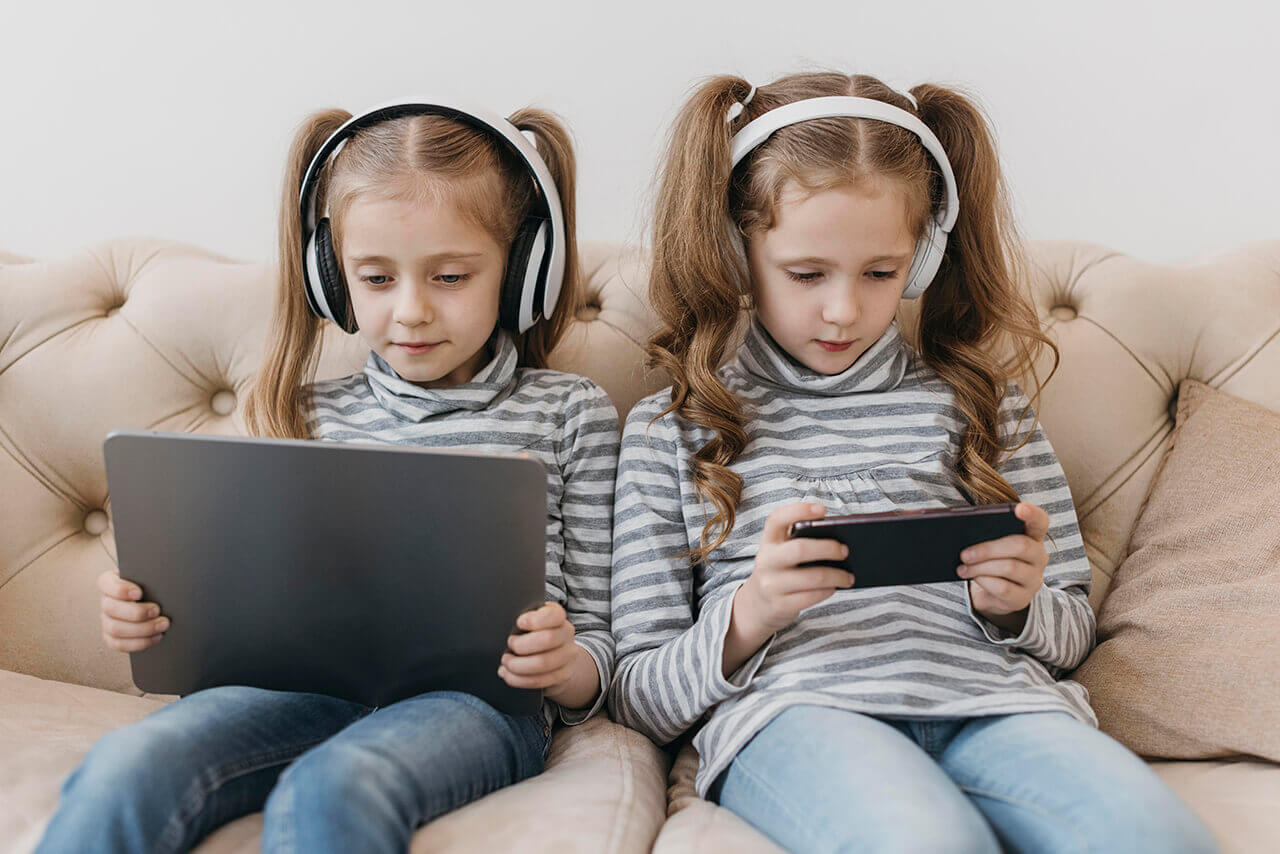
The educational and socio-emotional potential of cartoons
Watching cartoons can be a useful developmental tool if approached correctly. High-quality video content helps enrich vocabulary, form grammatical structures, develop auditory perception, and improve intonation and expressiveness in speech.
It has been established that educational programmes with a clear speech model have a positive effect on the speech development of young children. In addition, cartoons can play an important role in social and emotional learning, helping children to recognise emotions, understand the cause-and-effect relationships of behaviour, and learn social roles.
How to Make Watching Cartoons Educational
A key factor in the developmental effect is watching together with an adult. When parents or specialists explain the plot, ask questions, draw attention to details, and discuss the behaviour of the characters, the educational value of the video content increases significantly. This is what increases the level of understanding and transfer of knowledge to real-life situations. Active interaction after viewing brings additional benefits: re-enacting the plot in role-playing games, drawing characters, and discussing the moral of the story.
The quality of content is also important. Preference should be given to cartoons with a slow pace of events, clear articulation of speech, logical plot structure and minimal visual noise. Excessive frame dynamics and oversaturation with effects can cause sensory overload.
Regarding viewing time, international recommendations indicate the need for strict age-based screen time limits. Children under two years of age are not recommended to watch screens, except for video calls with loved ones. For children aged two to five, screen time should be limited to one hour per day, provided that the content is of high quality and an adult is present. For older children, the duration of digital device use is determined individually, striking a balance between physical activity, live communication and rest. These approaches are supported by recommendations from the American Academy of Pediatrics and the World Health Organization.
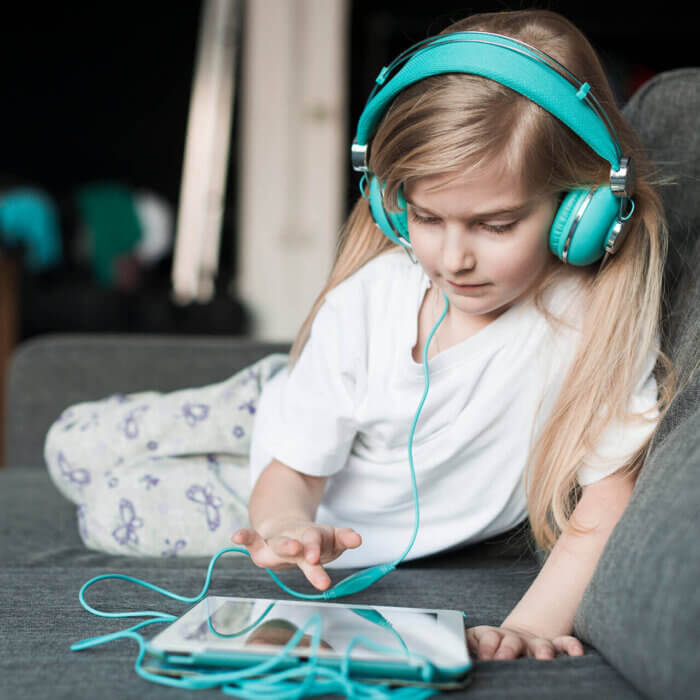 The Role of Special Music in Child Development
The rhythmic components of music help stabilise speech tempo, and melody contributes to the development of the prosodic aspect of speech. In addition, calm music promotes emotional regulation, reduces arousal and improves concentration.
For daily use, music with a slow tempo, predictable rhythm, soft sound and no sharp audio stimuli is recommended. Instrumental classical music, therapeutic compositions, logorhythmic tracks and calm background melodies are most appropriate.
A balance between technology and human interaction
Thus, gadgets can become a powerful resource for supporting children with disabilities, provided that they are used in a controlled manner, with high-quality content, active adult participation, and the integration of digital tools into comprehensive correctional and developmental programmes. Technology cannot replace live interaction, but it can significantly enhance the effectiveness of a child’s learning, rehabilitation, and socialisation.
 Taking care of your children,
Oleksandra Zinchenko,
Speech therapist,
correctional teacher,
founder of the Speech and Correctional Therapy Centers of Oleksandra Zinchenko,
co-founder of the Association of speech therapists Ukraine
More information is available on the website:
logocenter-zinchenko.com