
At the “Dity Dityam” (“KIDS TO KIDS”) charitable foundation, we work every day with families facing difficult life circumstances. We see how support, stability, and warm human relationships help children grow even in the most challenging conditions.
Childhood is shaped not only by major events. More often, it is made up of small, recurring moments: family traditions, sincere conversations, shared evenings, unexpected joys, and the feeling that there are adults nearby who can be trusted.
This article is an invitation to pause for a moment and reflect: what exactly will remain in our children’s memories years from now? What words, actions, and habits are we giving them today?
Olena Momot
Co-founder of the CO “CF “KIDS TO KIDS”
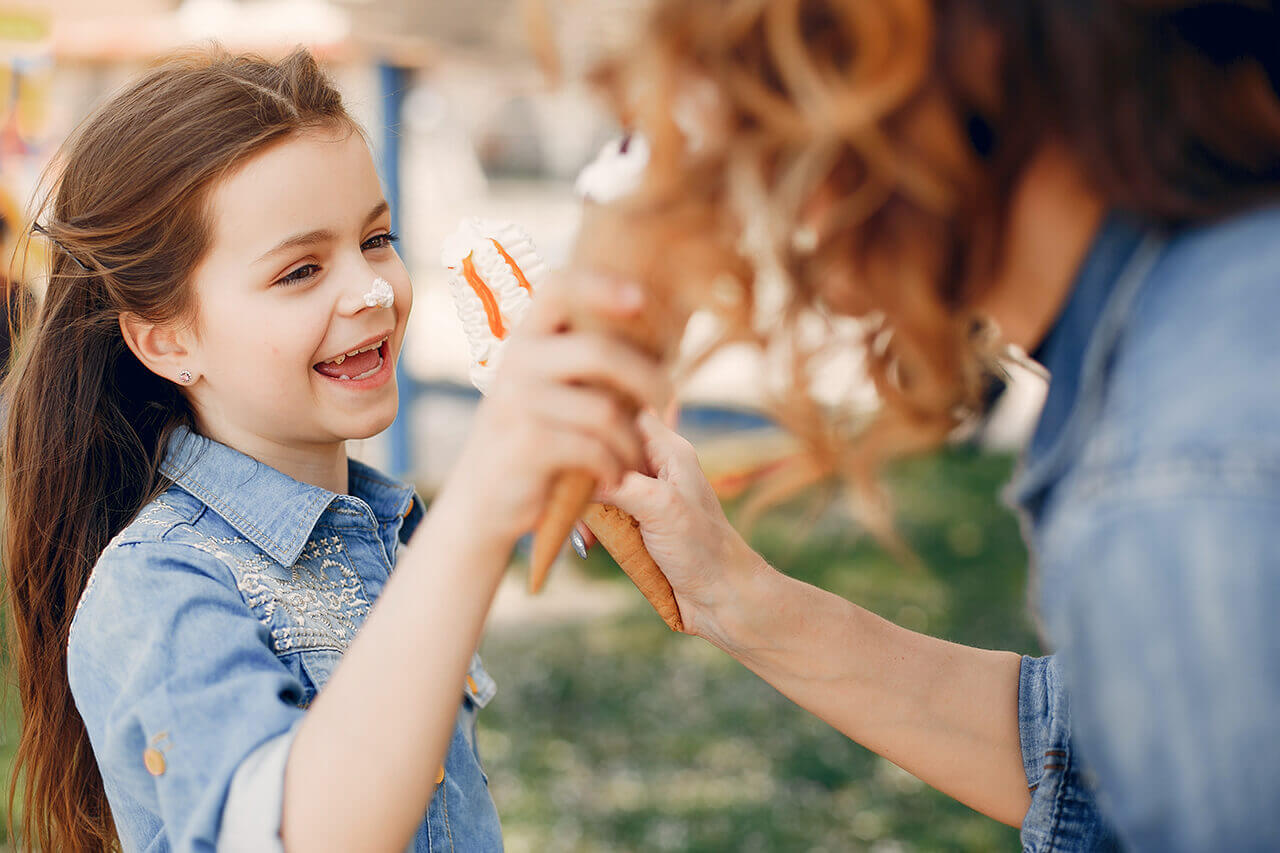
What do you remember from your childhood?
Did you have a happy childhood?
Each of us has our own experience. But this article is about positive memories — about the “good” things that stay with us for years and shape a sense of safety, trust in the world, and belief in ourselves.
Every reader can add their own memories — warm or difficult ones. They may become clues for other parents about what is worth doing and continuing, and what may need to be reconsidered.
So, what stays in our memory for a long time?
Family Traditions
Traditions are a foundation that create a sense of safety and stability within a family — especially for children.
They are a kind of “bridge” between parents and children, because regular family rituals — shared dinners, holidays, walks — become reasons to meet, talk, and grow closer.
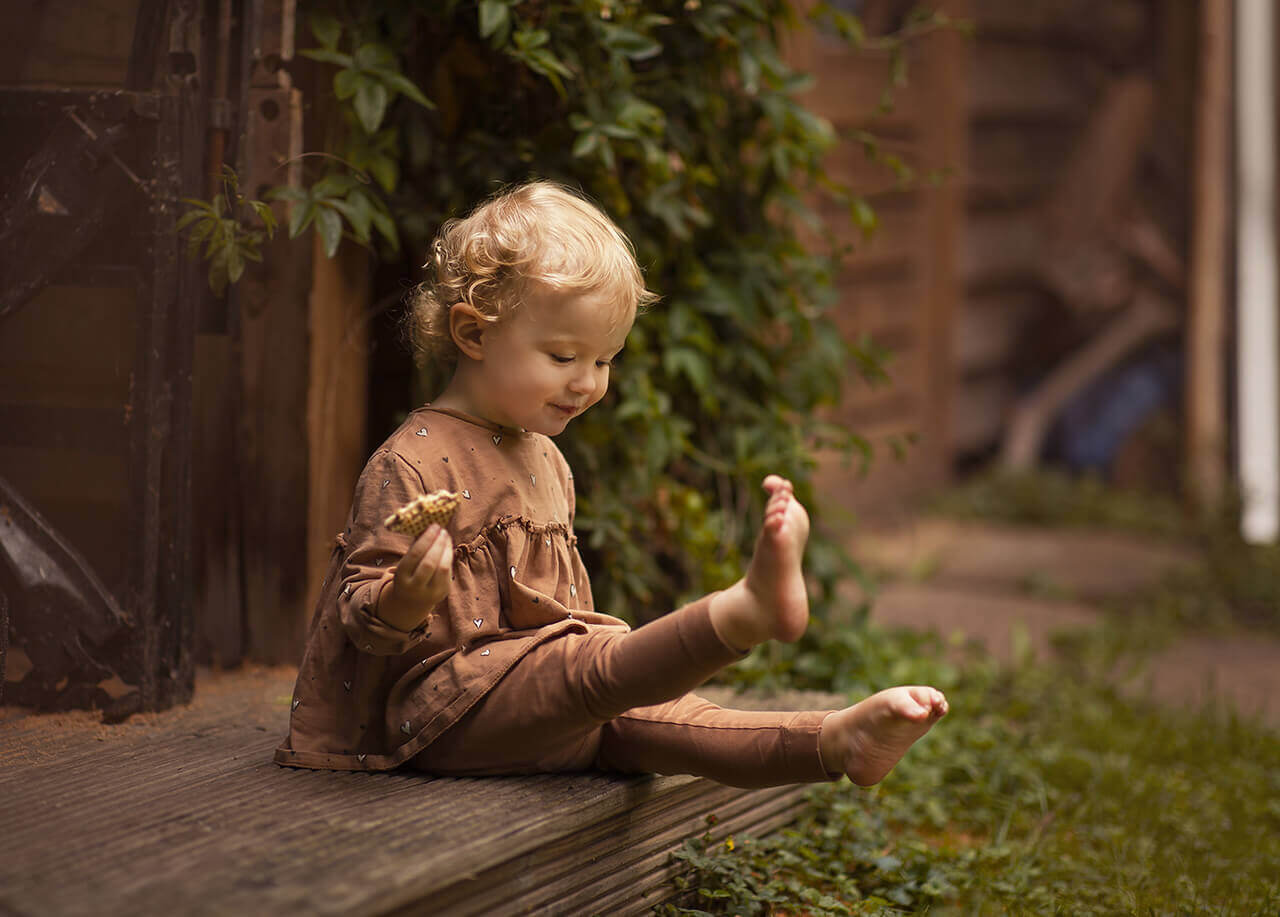
The Home Where Childhood Took Place
Do you remember the home where you grew up? If there were several homes because of moves, which one stayed with you the most?
I remember the place where I lived from the age of three to seven — an apartment in a Stalin-era building, without an elevator and with a triangular roof… and, of course, the summer house. It is my “safe place,” one I can no longer return to physically, but which continues to live inside me.
How Parents Taught
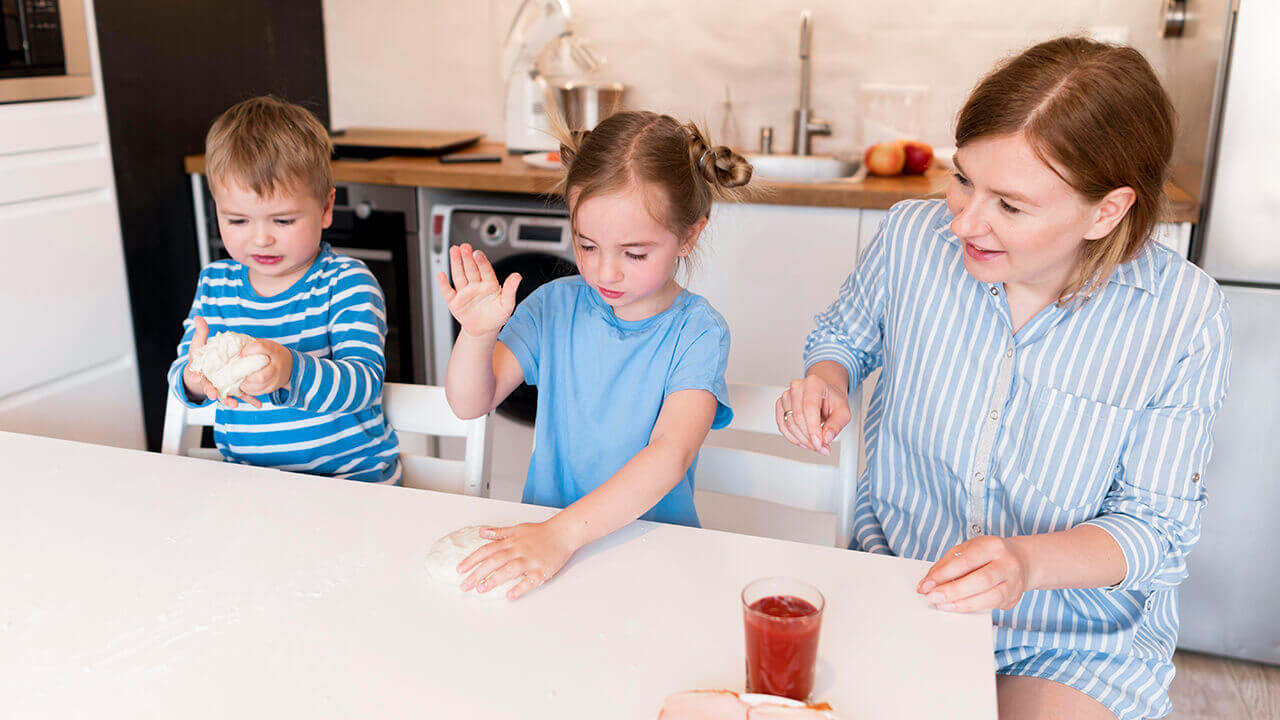
Making pancakes, driving a car, fixing a bicycle…
This is about quality time together.
By “teaching,” I mean sharing experience, not lecturing.
What matters most here is the process and your feelings. Share, try things together, laugh at mistakes, and enjoy it with your child.
How You Read and Watched Stories Together
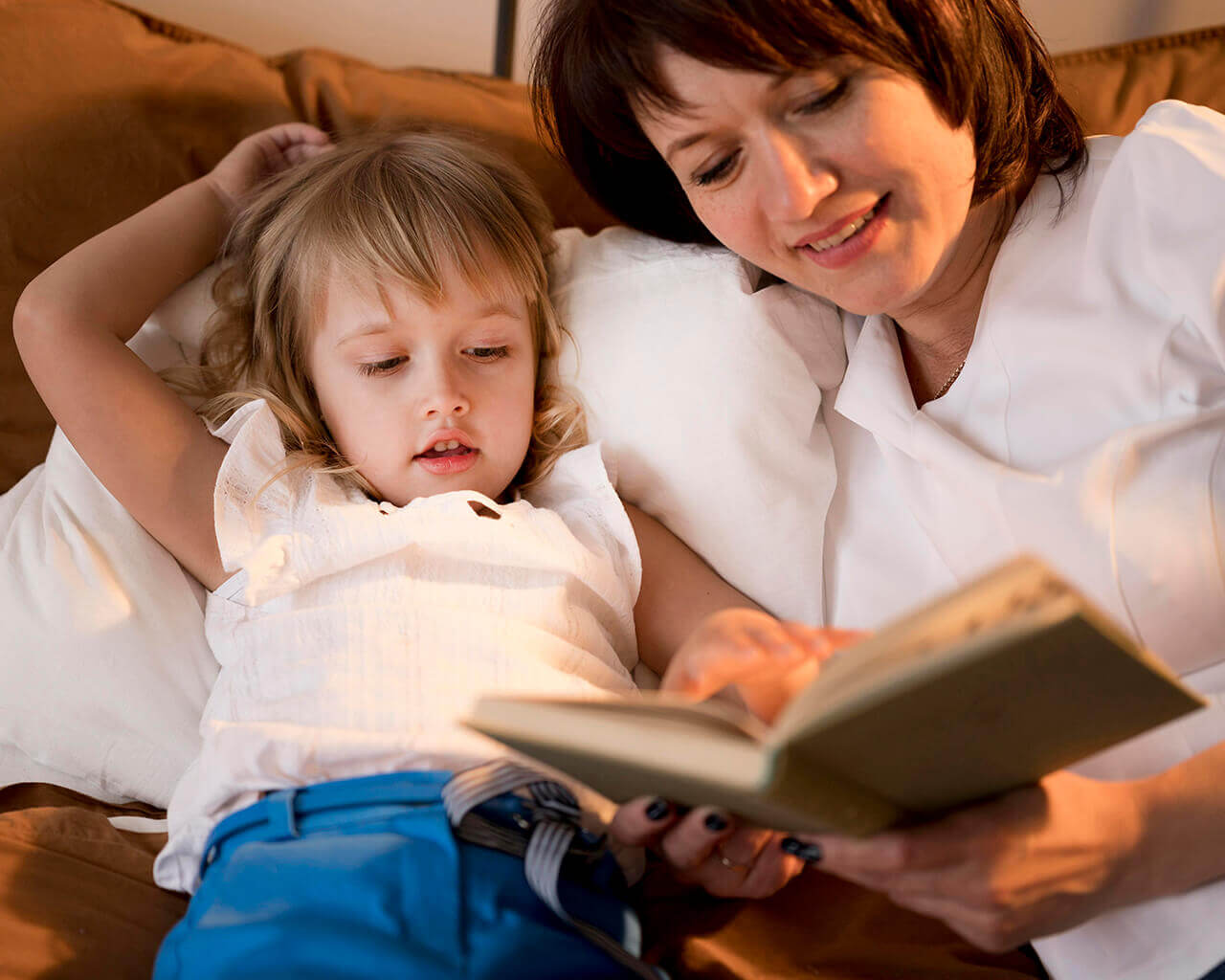
When adults read books to children, watch films, or listen to fairy tales and then talk about them, a shared space is created:
— How did you like it?
— What did you enjoy the most?
— What stayed with you?
These conversations build a sense of “we are growing together.”
Children often think adults prefer boring things. Try to change their minds — show them good stories, and watch or read them together.
Unexpected “Permissions”
A sudden day off. A trip out of town. A second birthday. Skipping school.
These small breaks from routine often become big childhood memories.
Did your parents ever do something like this when you were young?
Support and Belief
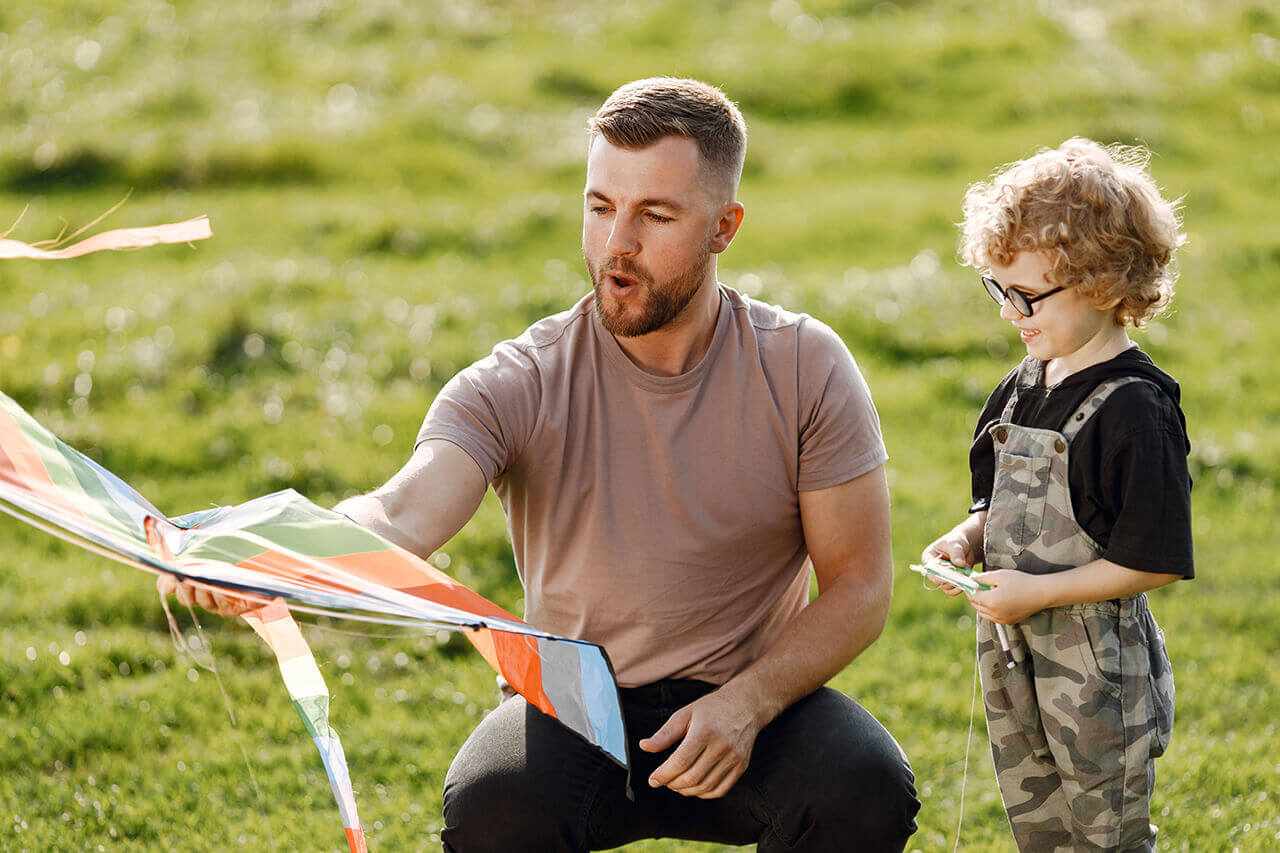
Parents are support.
Parents are a mirror.
Believing in a child and standing on their side is not only about warm memories. It is about shaping personality, inner strength, and future success.
Even simple words like “I believe in you” can stay with a person for a lifetime.
Emotions
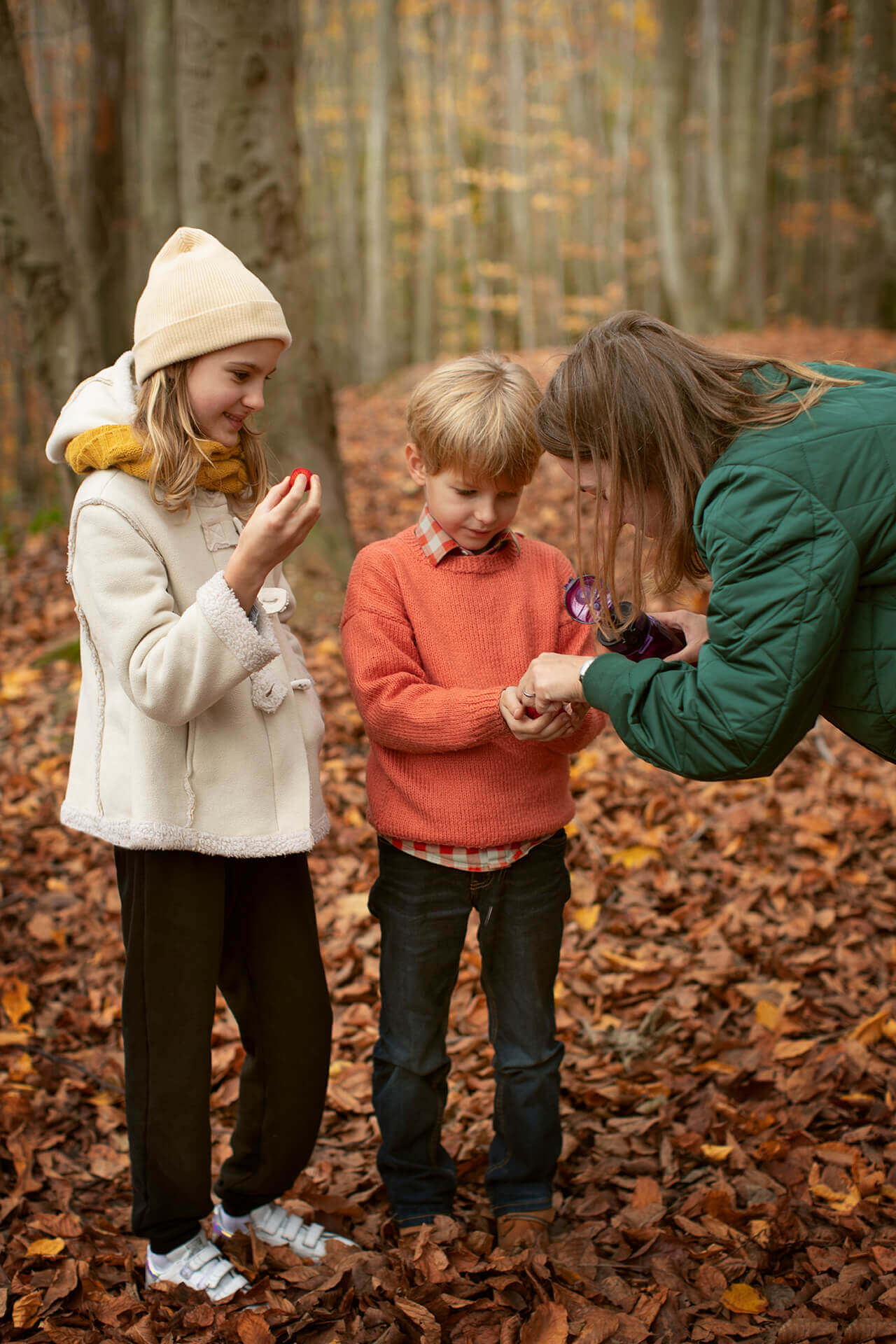
A smell. A place. A word. A melody.
Emotions create associations that “color” our memories.
As we grow older, we may forget details, but we remember how we felt.
Talk with children about their emotions. Share your own. Help them name what they are experiencing — this builds inner resilience.
What Would You Add?
This list could go on forever.
Because every family creates its own childhood story — day by day, in simple things, through care, attention, and love.
It is from these moments that the feeling is born:
“I am loved. I am safe. I can.”
Anita Vayakanti,
Pediatric Perinatal Psychologist and Art Therapist.